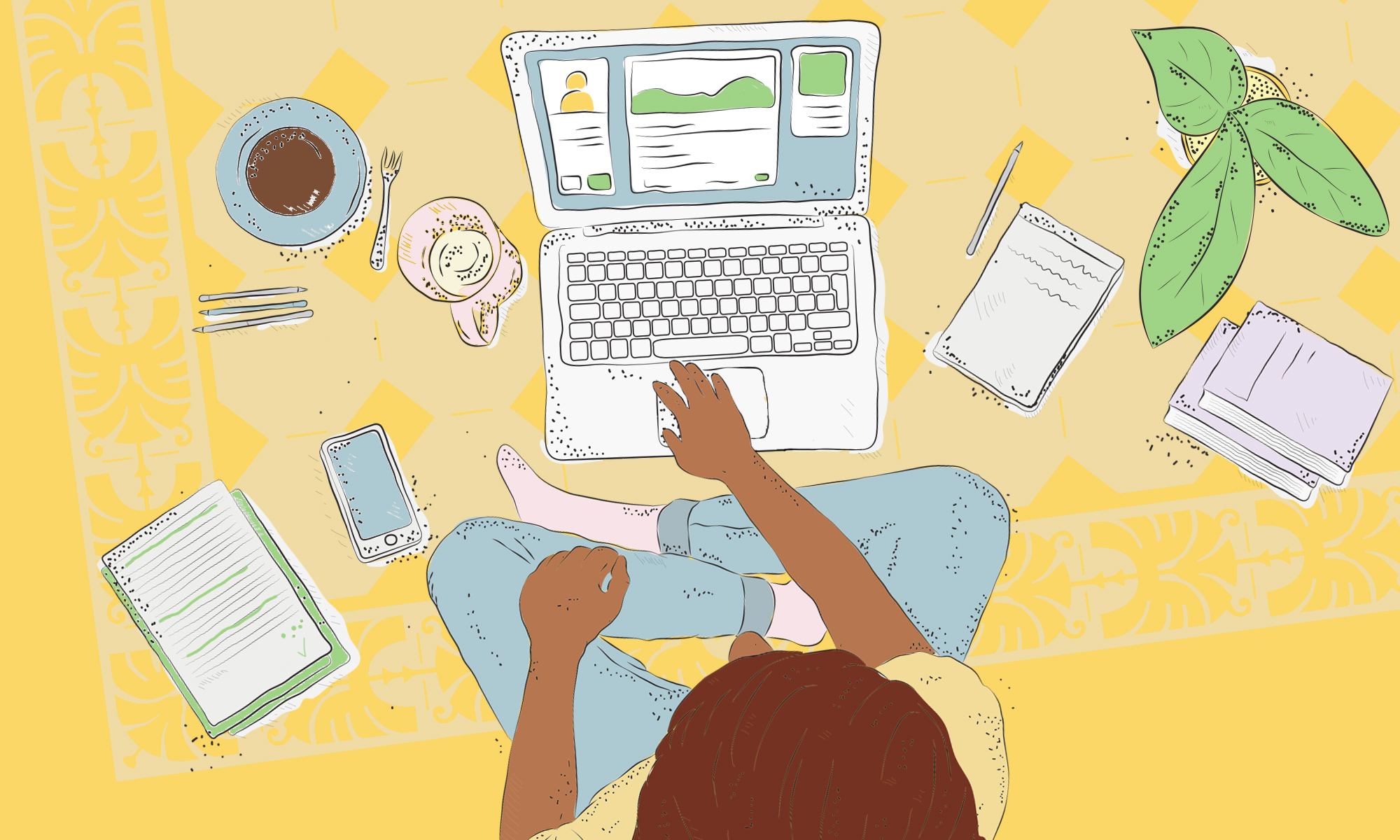
Is Working From Home Here to Stay? Exploring the Future of Remote Work
The rise of remote work has dramatically transformed the traditional workplace landscape, prompting many to wonder, is working from home here to stay? The pandemic accelerated a trend that was already gaining momentum, showing both employees and employers the benefits of a flexible work environment. With advancements in technology and communication tools, remote work has proven to enhance productivity while allowing individuals to achieve a better work-life balance. Moreover, surveys indicate that a significant percentage of employees prefer working from home over returning to a conventional office setup, suggesting it may be a crucial element of the future of work.
As we explore the future of remote work, it is essential to consider several factors that will influence its persistence. Firstly, companies are increasingly recognizing the potential cost savings associated with downsizing office spaces, leading to a rise in hybrid models. Additionally, talent acquisition has expanded beyond geographical boundaries, enabling businesses to hire the best candidates regardless of location. However, challenges such as maintaining team cohesion and ensuring effective communication persist. Balancing these factors will be crucial for organizations as they navigate the future of remote work and its long-term implications on employee engagement.
Counter-Strike is a tactical first-person shooter game that has garnered a massive following since its release. It features teams of terrorists and counter-terrorists competing to complete objectives, such as planting or defusing bombs. For gamers looking to enhance their productivity, check out the Top 10 iPad Accessories for Remote Work that can help streamline your gameplay experience.
The Pros and Cons of the Work From Home Lifestyle: Is It Really the New Normal?
The work from home lifestyle has gained significant traction in recent years, particularly accelerated by the global pandemic. One of the most notable pros is the increase in flexibility it provides. Professionals can tailor their work hours to fit their personal lives, leading to a better work-life balance. Additionally, the elimination of daily commutes not only saves time but also reduces stress levels. Many individuals have reported increased productivity when working in a familiar environment, free from office distractions.
However, the new normal of remote work is not without its challenges. One major con is the potential for isolation and disconnection from colleagues, which can affect team dynamics and collaboration. Furthermore, blurring the lines between personal and professional spaces may lead to longer hours and burnout. As much as the flexibility can be beneficial, it’s essential for employees to find boundaries to maintain mental health and productivity. Balancing these pros and cons is crucial for determining if the work from home lifestyle truly suits an individual’s long-term career goals.
How to Stay Productive While Working in Pajamas: Tips for Remote Work Success
In the age of remote work, many have embraced the comfort of working in pajamas. However, it can be challenging to maintain productivity in such a relaxed setting. To overcome this, start by establishing a dedicated workspace. Create a designated area in your home that is solely for work purposes; this physical separation can help you get into the correct mindset. Additionally, consider following a morning routine that mimics your pre-remote work life. This could include getting dressed (even if you stay in your pajamas), having a cup of coffee, and reviewing your tasks for the day.
Another crucial tip for staying productive while in pajamas is to set clear boundaries and a structured schedule. Using tools like a calendar or to-do list can keep you on track and ensure you are meeting your deadlines. Staying connected with colleagues through regular check-ins can also help maintain a sense of accountability. Remember to take breaks as well; short periods of rest can rejuvenate your mind and maintain overall productivity. Lastly, consider establishing an end-of-day routine to signal the close of your work hours, helping you to switch from a work mindset back to personal time.