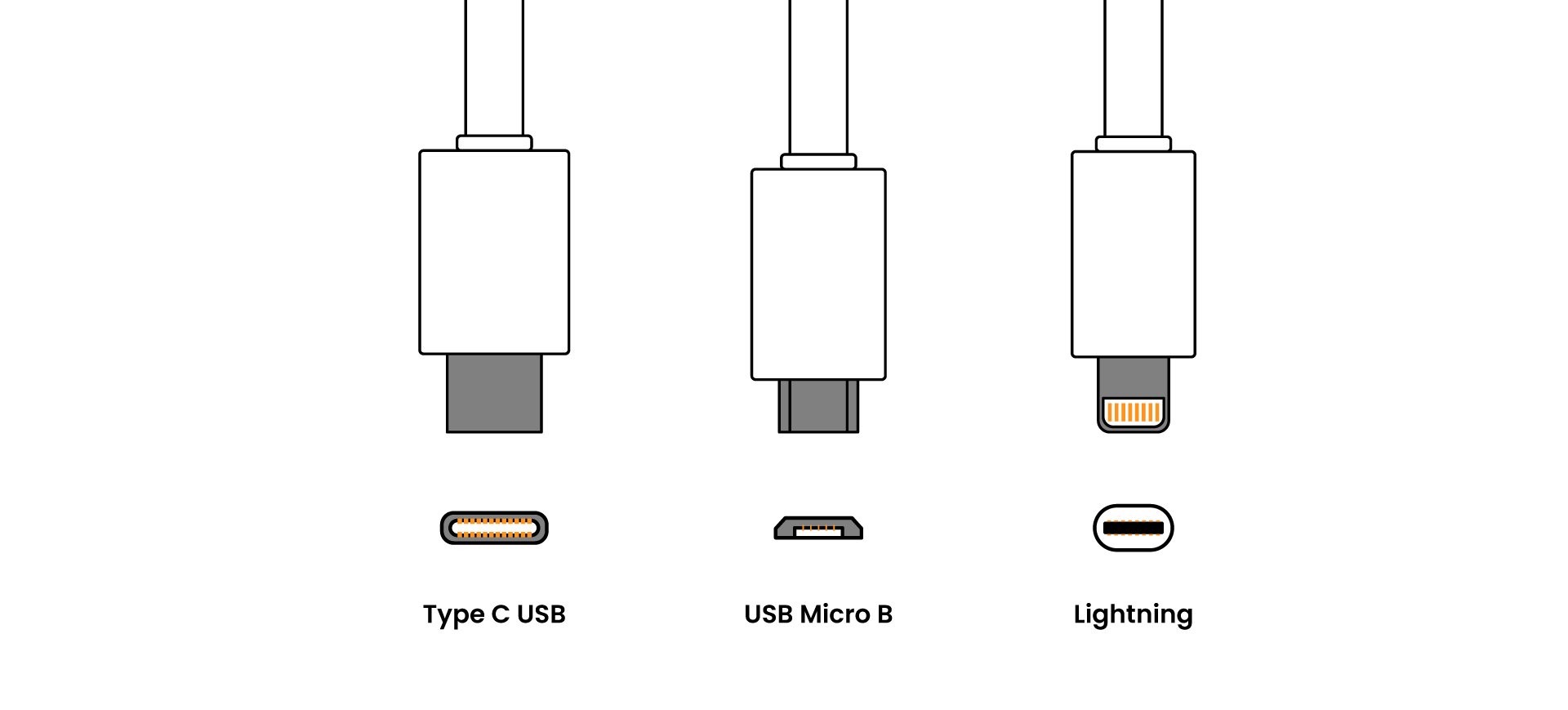
The Versatility of USB-C: How This Connector is Changing the Game
The USB-C connector has rapidly become a universal standard, transforming the way we connect our devices. Unlike its predecessors, USB-C is not only reversible but also provides faster data transfer rates and higher power delivery capabilities. This versatility caters to a wide array of devices, from smartphones and laptops to monitors and peripherals. As more manufacturers adopt this technology, consumers benefit from reduced clutter, as a single type of cable can charge multiple devices and enable data transfer across various platforms.
Moreover, the impact of USB-C extends beyond mere convenience. As we move towards a more connected world, this connector plays a vital role in streamlining the user experience. It supports various protocols, allowing for features such as video output and fast charging, which are essential in today's fast-paced lifestyle. The integration of USB-C in new devices signals a significant shift in the technology landscape, paving the way for innovation and enhancing compatibility among gadgets.
Counter-Strike is a popular multiplayer first-person shooter that has captivated gamers for years. Players compete in teams to complete objectives, such as bomb defusal or hostage rescue. For those looking to enhance their gaming experience, you might also want to explore the Top 10 Fast Chargers for Android Devices to keep your devices powered during intense gaming sessions.
5 Essential Devices That Leverage the Power of USB-C
In today's fast-paced technological landscape, USB-C has emerged as a universal connector that powers a wide range of devices. From laptops to smartphones, the versatility of USB-C is undeniable. Here are five essential devices that leverage its power:
- Laptops: Most modern laptops feature USB-C ports for charging and data transfer, enabling quick connections and faster data exchange.
- Smartphones: Many smartphones now come equipped with USB-C, facilitating rapid charging and streamlined syncing.
- Tablets: Tablets using USB-C benefit from added functionality, allowing users to connect accessories like keyboards and external displays with ease.
- External SSDs: USB-C external solid-state drives offer extremely high transfer speeds, making them ideal for professionals who require fast and reliable storage.
- Docking Stations: With USB-C docking stations, users can expand their laptop's capabilities by connecting multiple peripherals through a single port.
Is USB-C the Future? Exploring Its Benefits and Limitations
USB-C has rapidly gained traction as the universal standard for charging and data transfer across a multitude of devices. One of its most compelling benefits is its reversible design, allowing users to plug it in without worrying about orientation. This aspect not only enhances usability but also contributes to a more streamlined, user-friendly experience. Moreover, USB-C supports faster charging and higher data transfer rates compared to previous standards, making it ideal for today’s technology needs. As more manufacturers adopt this standard, including major brands like Apple, Samsung, and Google, the question arises: Is USB-C truly the future?
Despite its advantages, USB-C is not without limitations. One of the primary concerns is the incompatibility with older devices, which may require users to purchase additional adapters or accessories. Furthermore, while USB-C cables and ports are designed to be standardized, the varying power delivery and data transfer capabilities can lead to confusion for consumers. For instance, not all USB-C cables support the same data speeds or charging capabilities, which could create potential issues for users looking for high-performance solutions. As we consider the future of this technology, it remains crucial to address these inconsistencies to maximize its potential benefits.