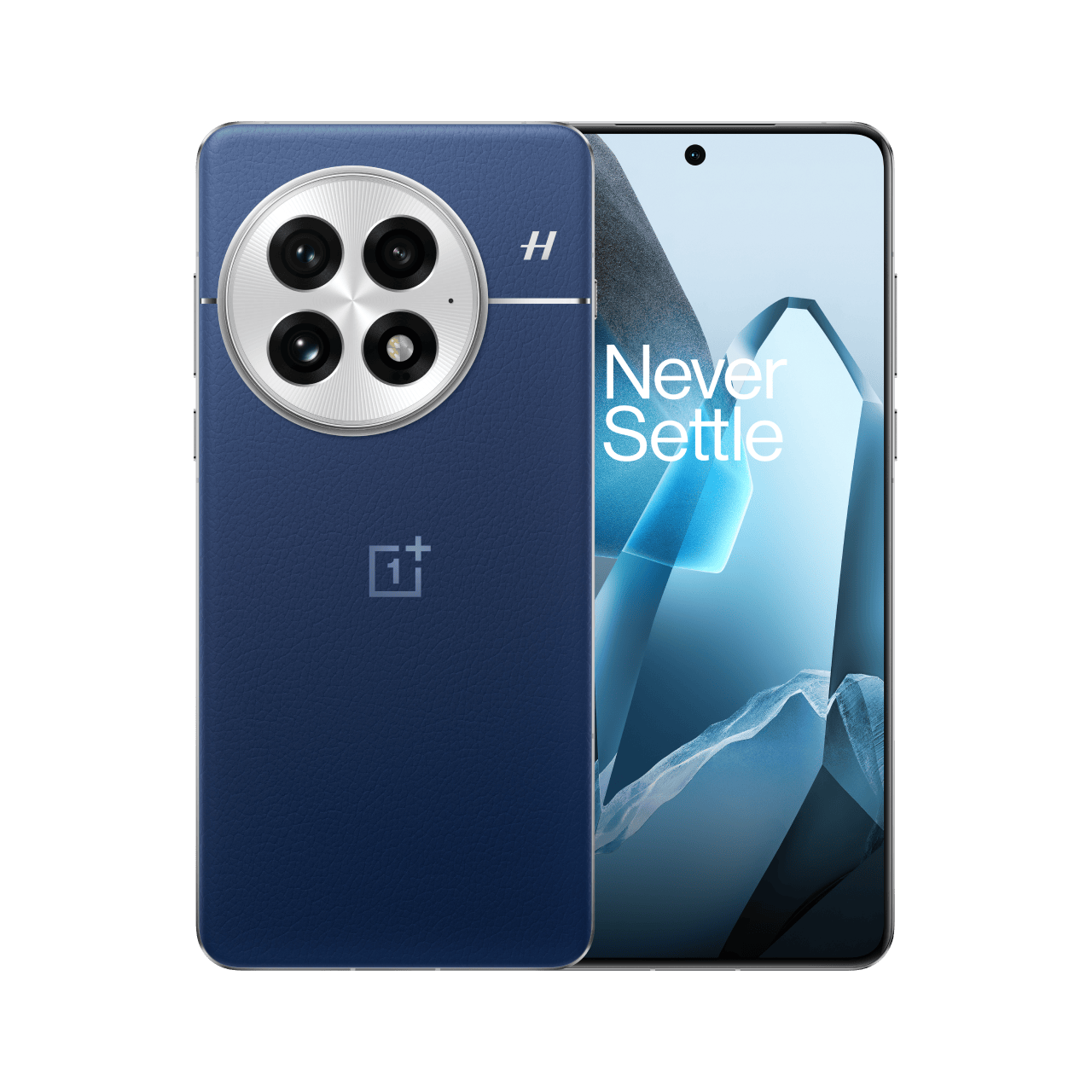
The Evolution of Smartphones: From Basic Devices to Powerful Computers
The journey of smartphones has been nothing short of remarkable, evolving from basic communication devices to powerful pocket-sized computers. In the early 2000s, mobile phones were primarily used for calls and text messages, featuring small screens and limited functionality. The introduction of the first smartphone, IBM's Simon Personal Communicator in 1992, marked the beginning of a new era. As technology advanced, we saw the emergence of the BlackBerry and Palm devices, which brought email capabilities and basic apps into the mix, laying the groundwork for the smartphones we know today.
With the launch of the iPhone in 2007 and the subsequent rise of Android, smartphones began to integrate advanced features that transformed how we interact with technology. Today, these devices come equipped with high-resolution cameras, powerful processors, and an ecosystem of applications that enable everything from gaming to mobile banking. The evolution of smartphones has not only changed how we communicate but has also revolutionized industries and everyday life, making them indispensable tools in our digital age.
Counter-Strike is a highly popular first-person shooter game that emphasizes teamwork and strategy. Players can choose between two teams, terrorists and counter-terrorists, each with specific objectives. For those looking to enhance their gaming experience, exploring the Top 10 iphone 16e accessories can be beneficial. With competitive play and various game modes, Counter-Strike has retained its status as a staple in the gaming community for many years.
How Smartphones are Shaping the Future of Communication and Connectivity
Smartphones have revolutionized the way we communicate and connect with one another, acting as a hub for both personal and professional interactions. With the advent of applications like WhatsApp, Facebook Messenger, and Zoom, these devices have made it incredibly easy for individuals to stay in touch, regardless of geographical barriers. This seamless connectivity allows users to share ideas, collaborate on projects, and even maintain relationships with loved ones across the globe. Furthermore, the integration of social media platforms within smartphones has transformed the landscape of communication, making it more dynamic and immediate than ever before.
As we look to the future, the influence of smartphones on communication is expected to grow even stronger. Emerging technologies such as 5G networks and artificial intelligence will enhance the capabilities of smartphones, allowing for faster data transmission and smarter communication tools. For instance, AI-powered virtual assistants will enable users to manage their schedules and communicate more efficiently, while augmented reality features may revolutionize how we interact in social settings. As these innovations unfold, it's clear that smartphones will continue to be a pivotal force in shaping the future of communication and connectivity.
Are Smartphones Making Us Smarter or Just More Distracted?
In today’s digital age, smartphones have become an integral part of our daily lives, offering us access to a vast amount of information and tools that can enhance our learning and productivity. With apps for language learning, skill development, and organization, these devices provide opportunities for individuals to grow intellectually. For instance, educational platforms enable users to engage with courses and resources that contribute towards their professional and personal growth. However, the question arises: are we utilizing these tools effectively, or are we merely scrolling through social media feeds?
Conversely, while smartphones can indeed foster smarter living through efficient resource management, they also have a downside. The constant notifications and distractions from various applications can lead us to become less focused and more anxious. According to studies, excessive smartphone use can impair our cognitive functions, diminishing our attention spans and making it challenging to engage in deep, meaningful learning. Therefore, it’s crucial for users to recognize this duality: our devices have the potential to enhance our intelligence but can just as easily distract us from our goals.