How Innovative Design Shapes Our Future
As we move further into the 21st century, innovative design has become a cornerstone of our technological and social evolution. From architecture to product development, creative solutions are being deployed to address pressing challenges such as climate change and urban overcrowding. For instance, cities worldwide are integrating green spaces into their urban layouts, utilizing sustainable materials and energy-efficient technologies. This not only enhances the aesthetic value of urban environments but also promotes a healthier lifestyle for inhabitants. The adoption of smart technologies, like IoT sensors in buildings, further exemplifies how design innovation can lead to smarter, more responsive living spaces.
In the realm of consumer goods, companies are embracing design thinking to create products that not only meet functional needs but also enhance user experience. This approach emphasizes empathy and understanding of consumer behavior, allowing brands to foster deeper connections with their audience. For example, the rise of modular furniture reflects a shift towards flexibility and personalization, resonating with modern consumers who value adaptability in their living spaces. Looking ahead, as we continue to prioritize innovative design, we can expect to see even more groundbreaking inventions that will redefine our daily lives and societal structures.
Counter-Strike is a popular tactical first-person shooter game that has evolved through various iterations since its release in the late 1990s. It emphasizes teamwork, strategy, and skill as players engage in competitive matches as terrorists and counter-terrorists. For gamers looking to enhance their gameplay experience, having the right environment is essential; consider checking out the Top 10 Home Office Setups to find the perfect setup that suits your needs.
Bridging Creativity and Functionality: The Art of Tomorrow's Design
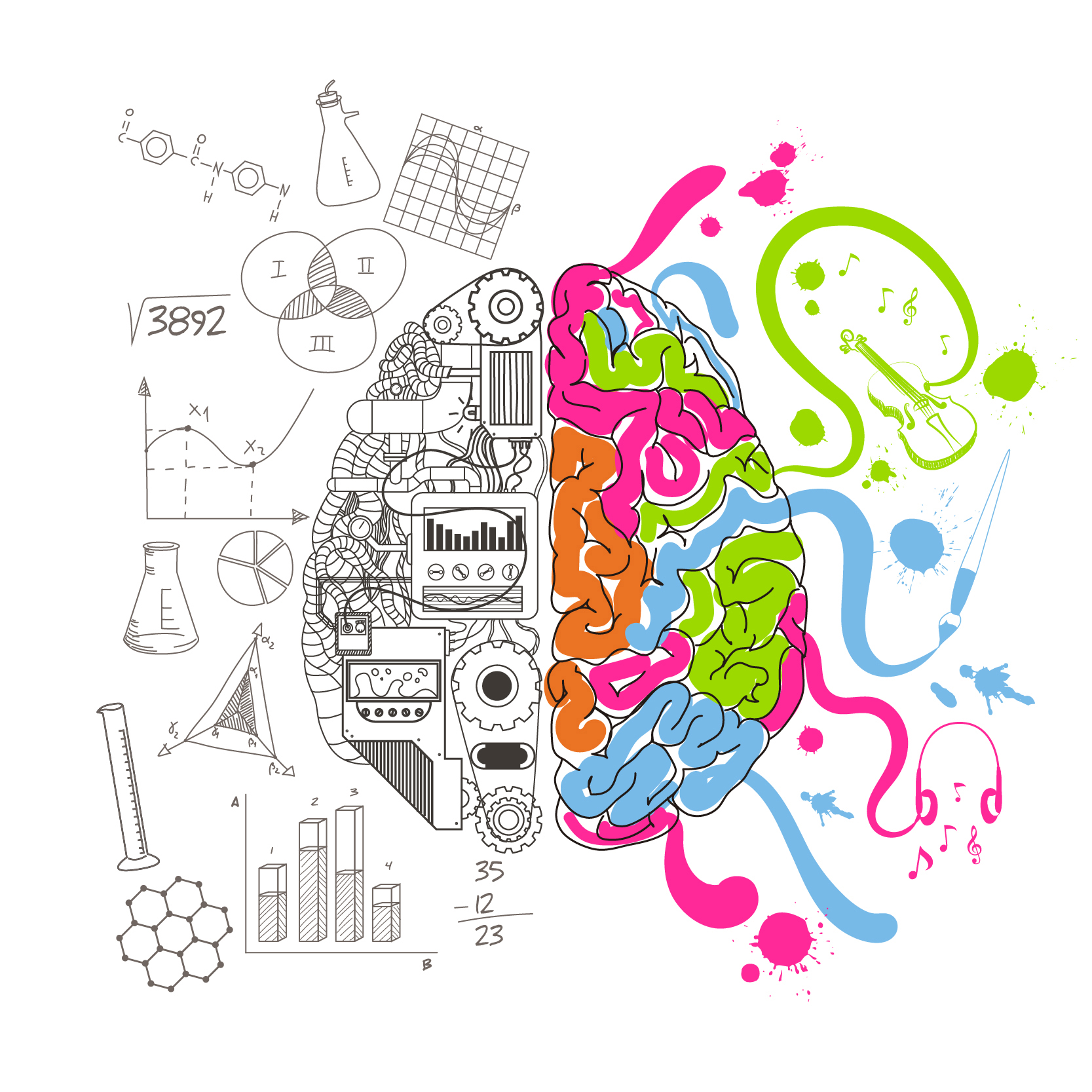
The essence of design in the modern era lies in bridging creativity and functionality. As we navigate through a world increasingly dominated by technology, the demand for designs that are not only aesthetically pleasing but also practical has never been more crucial. Innovative designers are harnessing their creative prowess to develop products and spaces that cater to both user experience and visual appeal, ensuring that every element serves a purpose without compromising artistic expression.
Looking ahead, the art of tomorrow's design will emphasize a harmonious blend of various disciplines, including architecture, graphic design, and industrial design. By adopting a multidisciplinary approach, designers can create solutions that are not just visually striking but also enhance functionality. This shift toward integrated design thinking encourages collaboration and fosters an environment where ideas can thrive, ultimately leading to transformative experiences that resonate with users on multiple levels.
What Challenges Do Designers Face When Imagining the Future?
Designers face a myriad of challenges when imagining the future, particularly as technology evolves at an unprecedented pace. One key concern is the need to stay ahead of trends while ensuring their designs remain relevant and user-friendly. This requires a deep understanding of emerging technologies such as artificial intelligence, virtual reality, and sustainable materials. Furthermore, designers must navigate a complex landscape of user expectations, balancing functionality with aesthetics in a way that resonates with diverse audiences.
Another significant challenge is addressing the ethical considerations surrounding future design practices. As designers envision innovative solutions, they must reflect on the potential social impacts of their work. Issues such as accessibility, environmental sustainability, and data privacy come into play, making it crucial for designers to incorporate inclusive practices that respect user rights. By addressing these complexities, designers can not only create visionary products but also foster a future that is considerate of all stakeholders involved.