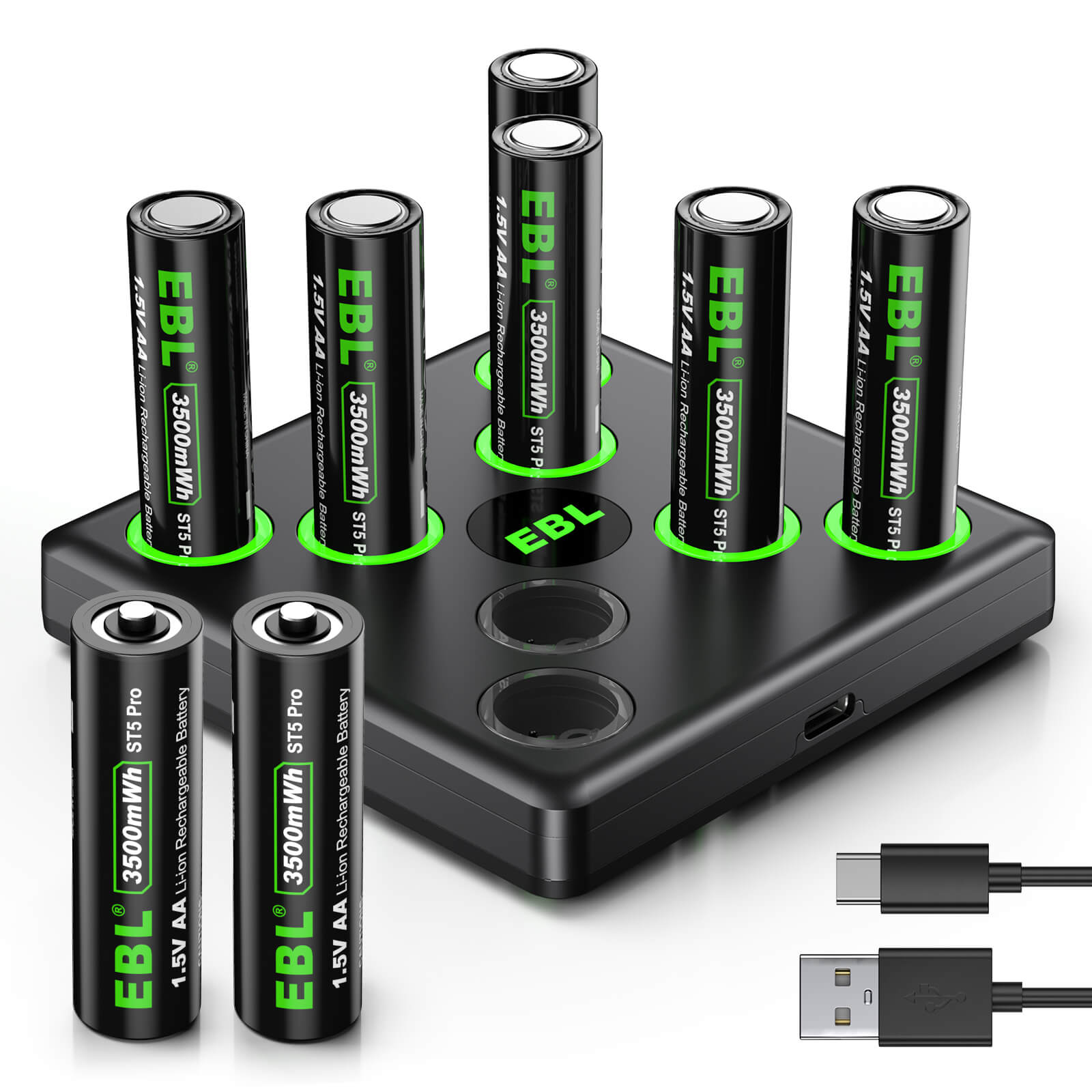
How Do Rechargeable Batteries Work and Can They Really Revive Your Gadgets?
Rechargeable batteries operate on a principle known as reversible electrochemistry, which allows them to be cycled through charging and discharging repeatedly. When a rechargeable battery is charged, electrical energy is converted into chemical energy and stored within the battery. This process typically involves the movement of ions between the positive and negative electrodes, thereby allowing the battery to store energy for future use. Common types of rechargeable batteries include lithium-ion, nickel-metal hydride, and lead-acid, each having unique properties that cater to different devices and applications.
But can these batteries really revive your gadgets? The answer is yes, provided the device is compatible and the battery is in good condition. Many modern gadgets, such as smartphones, laptops, and electric vehicles, rely on these rechargeable batteries for their operation. When properly maintained, rechargeable batteries can significantly extend the life of your electronics and reduce electronic waste. However, it is crucial to follow manufacturer guidelines for charging and storage to ensure optimal performance and longevity of your rechargeable batteries.
Counter-Strike is a popular first-person shooter game series that emphasizes teamwork and strategy. Players can take on the roles of terrorists or counter-terrorists in various game modes, each with unique objectives. For those looking to enhance their mobile photography, check out the Top 10 Selfie Lights for iPhone 17 to capture the best moments while gaming or otherwise.
The Benefits of Using Rechargeable Batteries for Your Electronics
Using rechargeable batteries for your electronics comes with a multitude of benefits that extend beyond just convenience. Firstly, they are a cost-effective solution in the long run. While the initial investment may be higher compared to disposable batteries, the lifespan of rechargeable batteries allows users to recharge and reuse them numerous times, significantly reducing the overall cost per use. Moreover, according to studies, a single rechargeable battery can replace up to 1,000 disposable batteries, making them not only economical but also environmentally friendly.
Another key advantage of using rechargeable batteries is their lesser environmental impact. Traditional disposable batteries are known to contribute to hazardous waste and can leak harmful chemicals into the environment. In contrast, rechargeable batteries can be recycled more efficiently. By opting for these batteries, consumers can help reduce pollution and conserve natural resources. To summarize, here are the top benefits of rechargeable batteries:
- Cost-effectiveness over time.
- Reduced environmental impact.
- Less waste generated.
- Consistency in power supply for high-drain devices.
Common Myths About Rechargeable Batteries: What You Need to Know
When it comes to rechargeable batteries, many people fall prey to common myths that can mislead their purchasing decisions and usage habits. One of the most prevalent misconceptions is that these batteries must be completely drained before recharging. In reality, rechargeable batteries, especially modern lithium-ion types, benefit from partial charging and can be recharged at any point without suffering long-term damage. This flexibility allows users to maintain their devices' power without the fear of negatively impacting battery life.
Another widespread myth is that rechargeable batteries have a limited lifespan and cannot withstand frequent charging. This isn't entirely true. While it’s correct that all batteries have a finite number of charge cycles, advancements in battery technology have significantly improved their longevity. Many high-quality rechargeable batteries can endure hundreds to thousands of charge cycles before their capacity diminishes. Therefore, investing in good quality batteries not only reduces waste but also provides a cost-effective solution in the long run.